
Cooking oil: types and uses
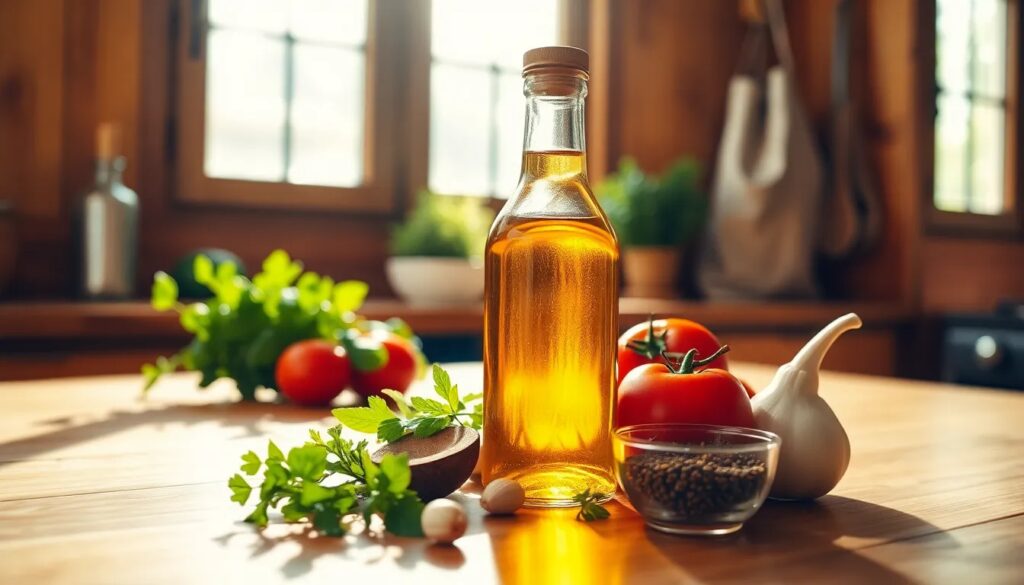
Cooking oil, also known as edible oil, plays a vital role in our kitchens. It is used in frying, baking, and enhancing the flavors of various dishes. Understanding the different types and their uses can significantly impact both the taste and healthiness of your meals.
In this article, we will explore the various types of cooking oils, their health benefits, and tips for choosing the right oil for your culinary needs.
Index
- 8 types of cooking oils and when to use them
- What is the best cooking oil to use?
- What is the most unhealthiest cooking oil?
- Is olive oil a cooking oil?
- Which type of oil is best for the body?
- Cooking oil price: how much should you expect to pay?
- Tips for cooking with healthy oils
- Cooking oil brands: which ones are the most popular?
- Cooking oil vs olive oil: what are the differences?
- Related questions about cooking oils
- FAQs about cooking oils
8 types of cooking oils and when to use them
There is a wide variety of cooking oils available, each with its unique flavor, smoke point, and health benefits. Here are eight popular types of cooking oils that you might consider for your kitchen:
- Olive oil: Known for its heart-healthy properties, it’s perfect for salad dressings and light sautéing.
- Canola oil: A versatile oil that is great for frying due to its high smoke point.
- Coconut oil: Offers a unique flavor and is used often in baking and sautéing.
- Sunflower oil: Light and neutral, it’s ideal for frying and baking.
- Avocado oil: Packed with nutrients and has a high smoke point, making it suitable for grilling and frying.
- Soybean oil: Commonly used in processed foods and frying.
- Peanut oil: Great for frying due to its high smoke point and distinct flavor.
- Palm oil: Used in many commercial products; it withstands high temperatures well.
Each type of oil has its own set of characteristics that make it suitable for specific cooking methods.
 Flaxseed: benefits and ways to incorporate it into your diet
What is the best cooking oil to use?
When it comes to selecting the best cooking oil, it largely depends on what you’re cooking and your health preferences. Olive oil is often recommended for its numerous health benefits, including heart health. It contains monounsaturated fats, which can help lower bad cholesterol levels.
For frying, canola oil is frequently cited as one of the best options due to its high smoke point and neutral flavor. It is also low in saturated fats, making it a healthier choice compared to other oils.
Ultimately, the best cooking oil varies based on personal taste, cooking methods, and health considerations. Always consider the specific dish and method of cooking when making your choice.
What is the most unhealthiest cooking oil?
Among the various cooking oils, palm oil and certain types of vegetable oils can be considered less healthy. These oils are often high in saturated fats, which can contribute to cardiovascular issues when consumed in excess.
Flaxseed: benefits and ways to incorporate it into your diet Flat iron guide: best options and tips
Furthermore, trans fats, commonly found in partially hydrogenated oils, should be avoided entirely due to their association with high cholesterol and increased heart disease risk. It’s crucial to read labels and be aware of what type of fats you are consuming.
Is olive oil a cooking oil?
Yes, olive oil is indeed a cooking oil! It is widely used in various culinary applications, from sautéing to dressing salads. Extra virgin olive oil is especially prized for its flavor and health benefits.
While it has a lower smoke point compared to other oils, it can still be used for most cooking methods that do not involve very high temperatures. Its rich flavor makes it a favorite in Mediterranean cuisine.
Which type of oil is best for the body?
When considering health benefits, oils rich in unsaturated fats, such as olive oil and avocado oil, are typically the best for the body. These oils can help reduce the risk of heart disease and provide essential nutrients.
Flaxseed: benefits and ways to incorporate it into your dietFlat iron guide: best options and tips Cast step by step: the complete list of characters
On the other hand, oils high in saturated fats, like coconut oil, should be consumed in moderation. While they have their benefits and unique flavors, it’s essential to balance them with healthier options.
Cooking oil price: how much should you expect to pay?
The price of cooking oil can vary significantly depending on the type and brand. Generally, you can expect to pay:
- Olive oil: $10 - $30 per liter, depending on quality.
- Canola oil: $5 - $15 per liter.
- Coconut oil: $7 - $25 per liter.
- Avocado oil: $15 - $30 per liter.
Quality oils may come at a higher price, but their health benefits often justify the cost. Always check for sales and bulk options to save money in the long run.
Tips for cooking with healthy oils
To make the most of your cooking oils, consider the following tips:
Flaxseed: benefits and ways to incorporate it into your dietFlat iron guide: best options and tipsCast step by step: the complete list of characters Step by step cast
- Store oils properly: Keep them in a cool, dark place to prevent oxidation.
- Know the smoke point: Choose oils with a smoke point suitable for your cooking method.
- Balance flavors: Use oils that complement the dish you are preparing.
- Don’t overheat: Avoid heating oils beyond their smoke point to retain nutrients.
These tips can help you choose and use cooking oils more effectively in your meals.
Cooking oil brands: which ones are the most popular?
Several brands are renowned for their quality cooking oils. Here are some of the most popular:
- Colavita: Known for high-quality olive oil.
- Crisco: Famous for vegetable oils.
- Nutiva: A leader in organic coconut oil.
- Chosen Foods: Specializes in avocado oil.
- Nature's Way: Offers a range of healthy oils.
Choosing reputable brands can ensure that you are getting the quality and health benefits you expect from your cooking oils.
Cooking oil vs olive oil: what are the differences?
While all olive oil is cooking oil, not all cooking oils qualify as olive oil. The main differences lie in their sources and health benefits. Olive oil is derived from olives and is rich in monounsaturated fats, making it a healthier option.
Flaxseed: benefits and ways to incorporate it into your dietFlat iron guide: best options and tipsCast step by step: the complete list of charactersStep by step cast Vegetable oil explained
In contrast, cooking oils can come from a variety of plants and may contain different fat compositions. For example, canola oil is low in saturated fat but may lack the flavor and antioxidants found in olive oil.
For flavor and health benefits, many chefs recommend using olive oil when possible, especially in dishes where its distinct taste can shine.
FAQs about cooking oils
What is the best cooking oil to use?
The best cooking oil often depends on your cooking method and health needs. Olive oil is frequently favored for its health benefits, while canola oil is preferred for frying due to its high smoke point.
What is the most unhealthiest cooking oil?
Cooking oils high in saturated fats, like palm oil, can be considered less healthy. Moreover, trans fats found in some processed oils should be avoided due to their negative health implications.
Flaxseed: benefits and ways to incorporate it into your dietFlat iron guide: best options and tipsCast step by step: the complete list of charactersStep by step castVegetable oil explained Alternative to vegetable oil: 8 best substitutes
Is olive oil a cooking oil?
Yes, olive oil is classified as a cooking oil and is widely used for various culinary applications, including frying, sautéing, and dressing salads.
Which type of oil is best for the body?
Oils high in unsaturated fats, such as olive oil and avocado oil, are typically the best for maintaining heart health and overall wellness.
If you want to know other articles similar to Cooking oil: types and uses you can visit the category Cooking and recipes for every home cook.


Deja una respuesta

Gestionar consentimiento
Funcional Siempre activo
El almacenamiento o acceso técnico es estrictamente necesario para el propósito legítimo de permitir el uso de un servicio específico explícitamente solicitado por el abonado o usuario, o con el único propósito de llevar a cabo la transmisión de una comunicación a través de una red de comunicaciones electrónicas.
Preferencias
El almacenamiento o acceso técnico es necesario para la finalidad legítima de almacenar preferencias no solicitadas por el abonado o usuario.
Estadísticas
El almacenamiento o acceso técnico que es utilizado exclusivamente con fines estadísticos. El almacenamiento o acceso técnico que se utiliza exclusivamente con fines estadísticos anónimos. Sin un requerimiento, el cumplimiento voluntario por parte de tu proveedor de servicios de Internet, o los registros adicionales de un tercero, la información almacenada o recuperada sólo para este propósito no se puede utilizar para identificarte.
Marketing
El almacenamiento o acceso técnico es necesario para crear perfiles de usuario para enviar publicidad, o para rastrear al usuario en una web o en varias web con fines de marketing similares.
More embers