
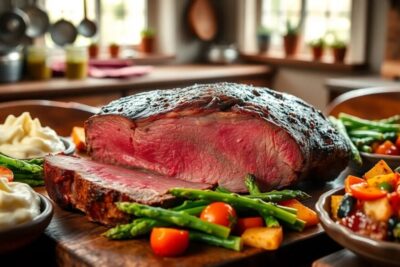
Flat vs point brisket: which cut should you choose?
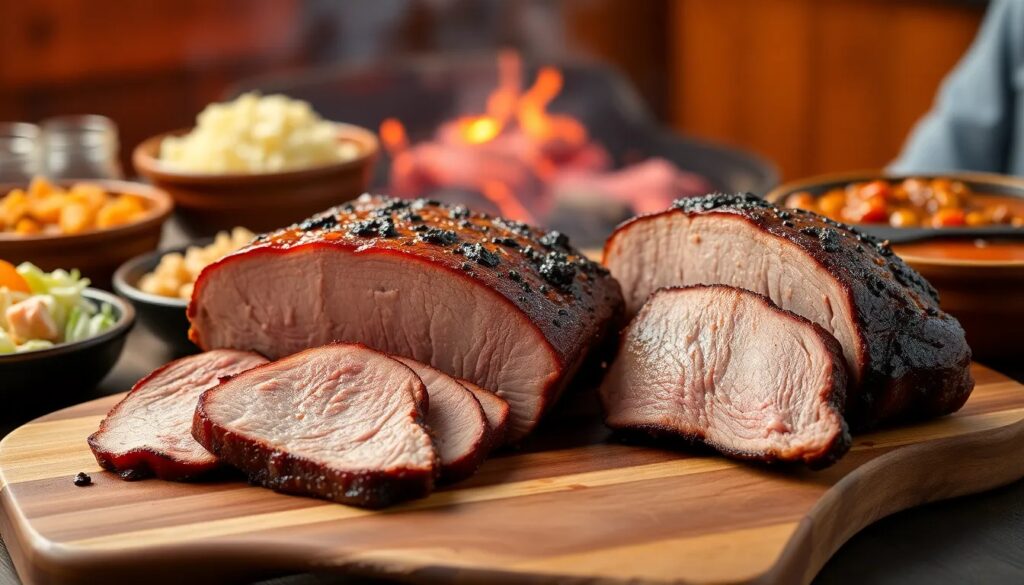
Brisket is a beloved cut of meat that captivates BBQ enthusiasts and chefs alike. It hails from the lower chest of the cow, known for its rich flavor and tenderness when cooked correctly. In this article, we will explore the differences between the flat vs point brisket, guiding you through their unique characteristics, cooking methods, and best practices.
Understanding these two cuts will help you choose the right one for your next BBQ or family gathering. Let's dive into the distinct qualities of the brisket flat and point cuts.
Table of Contents
- What is flat vs. point brisket?
- What are the differences between brisket flat and point cuts?
- Which cut should you choose: flat or point brisket?
- How to smoke brisket for optimal flavor?
- What is the best way to prepare brisket flat and point?
- How to identify and separate the flat and point cuts?
- What are the best recipes for brisket flat and point?
- Related questions about brisket choices
What is flat vs. point brisket?
The brisket is divided into two primary sections: the flat and the point. The brisket flat is the leaner portion, characterized by a consistent thickness and a flat shape. It is often preferred for slicing and is suitable for a variety of dishes, including sandwiches and classic BBQ platters.
On the other hand, the brisket point is thicker, fattier, and contains more marbling. This cut is typically used for making burnt ends, which are a favorite among BBQ aficionados. The additional fat in the point cut contributes to its rich flavor and tenderness, especially when smoked.
When considering flat vs point brisket, knowing the characteristics of each cut can significantly impact your cooking results and overall enjoyment of the meal.
What are the differences between brisket flat and point cuts?
Both cuts of brisket present different textures and flavors, making them unique in their own right. Here are some key differences:
- Fat content: The point cut has a higher fat content compared to the flat cut, which can enhance its flavor when cooked.
- Texture: The flat is more uniform and lean, making it easier to slice. The point is chunkier and has a more robust texture.
- Cooking time: The flat generally cooks faster than the point due to its lean nature, while the point benefits from longer cooking times to break down the fat.
- Usage: The flat is often used for traditional dishes, while the point is primarily utilized for recipes that require a more intense flavor, such as burnt ends.
Recognizing these differences will enable you to choose the right cut depending on your desired cooking method and flavor profile.
Which cut should you choose: flat or point brisket?
Choosing between flat and point brisket ultimately depends on your cooking method and intended use. If you plan to serve sliced brisket for sandwiches or platters, the flat cut is your best option. Its lean texture allows for clean, even slices, making it visually appealing.
Conversely, if you're looking to make delicious burnt ends or want a cut that will retain moisture and flavor, the point cut is the ideal choice. The higher fat content provides a richer flavor and tenderness that many BBQ lovers crave.
Consider the following factors when making your decision:
- Cooking method: Smoking or slow cooking works well for both cuts, but the point may require longer cooking times.
- Intended dish: For sandwiches, go with the flat; for BBQ favorites like burnt ends, opt for the point.
- Flavor preference: If you prefer a leaner taste, choose flat. If you enjoy a more indulgent, fatty flavor, the point is for you.
Ultimately, both cuts offer unique qualities that can elevate your BBQ game.
How to smoke brisket for optimal flavor?
Smoking brisket requires a careful approach to achieve the best flavor and tenderness. Here are some essential steps to follow for optimal results:
1. Choose the right cut: As discussed, decide between flat and point based on your preference and recipe needs.
2. Trim the fat: Trim excess fat from the brisket to ensure even cooking. Leave a thin layer to help retain moisture during the smoking process.
3. Season generously: Use a dry rub or marinade to add flavor. Let the brisket sit for a few hours or overnight to allow the seasoning to penetrate the meat.
4. Smoke low and slow: Maintain a consistent temperature between 225°F and 250°F. Smoking at lower temperatures allows for better flavor development and tenderness.
5. Monitor internal temperature: Cook the brisket until it reaches an internal temperature of 195°F to 205°F for optimal tenderness.
Following these steps will help you achieve a flavorful, tender brisket that will impress your guests.
What is the best way to prepare brisket flat and point?
The best preparation for brisket flat and point differs slightly due to their unique characteristics. Here are some tips for each cut:
Brisket flat:
- Slicing: Cut against the grain to ensure tender slices. Thin cuts will enhance the eating experience.
- Serving suggestions: Pair with traditional BBQ sides like coleslaw, baked beans, and cornbread for a classic meal.
Brisket point:
- Cooking method: Consider smoking or braising for the best results. The fat will render beautifully, creating moist and flavorful meat.
- Best recipes: Use the point for burnt ends or shredded brisket tacos for a delicious and unique twist on traditional BBQ.
By understanding how to best prepare each cut, you can maximize flavor and ensure a delightful dining experience.
How to identify and separate the flat and point cuts?
Identifying and separating the flat and point cuts can seem daunting, but it is a straightforward process once you know what to look for. Here’s how to do it:
1. Look for the shape: The flat cut is broad and flat, while the point cut has a more triangular shape with thickness.
2. Examine the fat cap: The flat cut typically has a noticeable fat cap, while the point may have a thicker layer of fat throughout the meat.
3. Find the natural seam: Locate the fat seam that runs between the flat and point cuts. This seam is where you can separate them easily.
Once you identify these aspects, use a sharp knife to cut along the seam, separating the two cuts with ease.
What are the best recipes for brisket flat and point?
Both brisket flat and point offer versatility in the kitchen. Here are some recommended recipes for each:
Brisket flat recipes:
- BBQ Brisket Sandwiches: Slice the flat thinly, serve on a bun with your favorite BBQ sauce, and top with coleslaw for added crunch.
- Brisket Tacos: Shred the smoked brisket and serve in corn tortillas with fresh cilantro and onions.
Brisket point recipes:
- Burnt Ends: Cube the point cut, season with dry rub, and return to the smoker until caramelized for a delicious treat.
- Brisket Chili: Use the shredded point cut in chili for a rich and hearty meal that showcases the flavors of the meat.
Experimenting with these recipes will allow you to appreciate the distinct flavors of each cut while enjoying the beloved brisket.
Which is better, flat or point brisket?
Choosing between flat and point brisket is subjective and depends on personal preference. The brisket flat is better for those who prefer leaner meat and clean slices, while the point is ideal for those who enjoy rich, fatty flavors. Ultimately, both cuts have their merits, and the best choice varies based on the cooking method and dish.
Which cut is better for brisket?
The best cut for brisket depends on the cooking method and desired outcome. For traditional BBQ slices, the flat cut is typically favored. However, if you're looking to create burnt ends or dishes with more flavor, the point cut is often preferred. Both cuts can deliver delicious results when prepared correctly.
Is a brisket flat good for smoking?
Yes, a brisket flat is great for smoking. It takes on smoke flavor well and can be cooked to a tender consistency if done at a low and slow temperature. Proper trimming and seasoning are essential to ensure the flat does not dry out during the smoking process.
Should you separate the point from the flat on a brisket?
Separating the point from the flat can be beneficial for specific cooking techniques. Smoking them separately can enhance the flavor and texture of each cut. It also allows for different cooking times, ensuring that both cuts are cooked to perfection. However, many BBQ enthusiasts choose to smoke the entire brisket as a whole for added moisture retention.
If you want to know other articles similar to Flat vs point brisket: which cut should you choose? you can visit the category Meat Guides.


More embers