
Dry-aged beef: everything you need to know
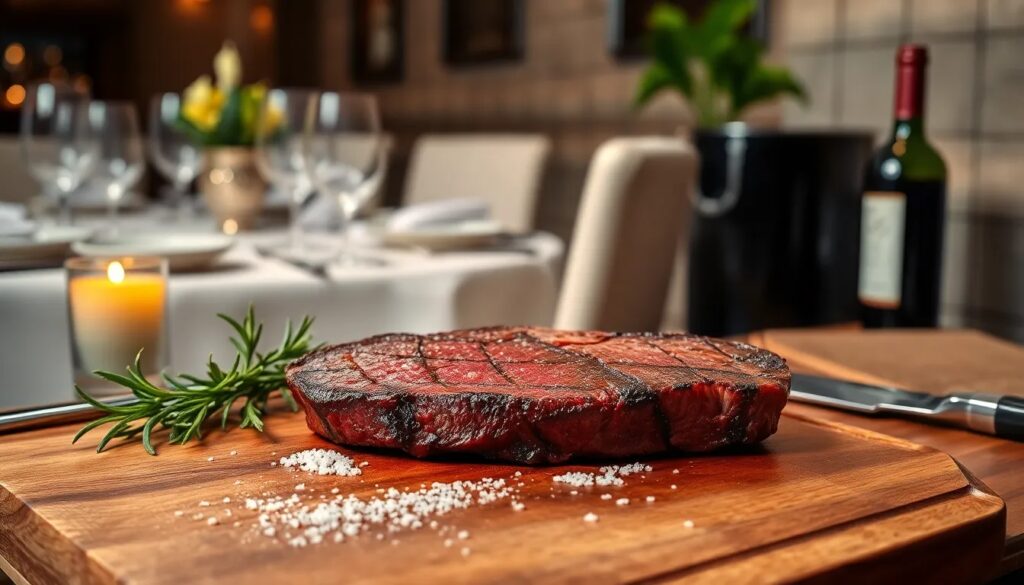
Dry-aged beef is a culinary delight that has gained immense popularity in recent years. The process not only enhances the flavor but also improves the tenderness of the meat, making it a favorite among steak enthusiasts. In this article, we will explore various aspects of dry-aged beef, including its production, benefits, and how to enjoy it to the fullest.
Whether you are a seasoned chef or a home cook, understanding the nuances of dry-aged beef can elevate your dining experience. Let's dive deeper into what makes this cut special.
Index
What is dry-aged beef?
Dry-aged beef refers to beef that has been aged in a controlled environment for several weeks. This process allows the meat to develop a concentrated flavor and improves its tenderness. During the aging period, the beef is exposed to air, which facilitates moisture loss and promotes enzymatic activity. These factors work together to break down the connective tissues in the meat, resulting in a softer texture.
Typically, cuts such as ribeye, strip loin, or tenderloin are chosen for dry aging. The aging process can last anywhere from 21 to 120 days, with longer aging times generally resulting in a more pronounced flavor. This method is a tradition that originated in high-end steakhouses and is now making its way into homes.
 Fin and feather: your guide to outdoor adventures
How is dry-aged beef made?
The process of creating dry-aged beef involves several steps:
- Selecting high-quality cuts of beef, ideally from well-marbled prime cuts.
- Storing the beef in a temperature and humidity-controlled environment, usually around 34-38°F (1-3°C) with a humidity of 80%.
- Allowing the beef to age for a specific period, depending on the desired flavor and tenderness.
- Monitoring the meat for any signs of spoilage and ensuring proper airflow.
During this aging process, moisture evaporates from the meat, which concentrates the flavor. Additionally, enzymes naturally present in the beef work to break down muscle fibers, enhancing tenderness. This meticulous process results in a unique flavor profile that is highly sought after.
Can I dry age beef at home?
While it's possible to dry age beef at home, it requires careful attention to detail and specific conditions to achieve the desired results. Here are some considerations:
- Ensure you have a designated refrigerator or aging space that can maintain consistent temperature and humidity levels.
- Choose high-quality cuts of beef, such as ribeye or sirloin, with a substantial fat cap.
- Wrap the beef in cheesecloth to protect it from contaminants while allowing it to breathe.
However, home dry aging comes with risks. Without the right equipment, there's a potential for spoilage or undesired flavors. It's recommended to start with shorter aging periods, perhaps 14 to 21 days, to get a feel for the process.
Fin and feather: your guide to outdoor adventures Grass fed beef meat: benefits and sourcing
What are the benefits of dry aging beef?
Dry aging beef offers several advantages:
- Enhanced flavor: The aging process develops a rich, nutty flavor that is distinctive and highly prized.
- Increased tenderness: Enzymatic activity breaks down tough muscle fibers, making the meat more tender.
- Moisture concentration: As moisture evaporates, the meat's flavor becomes more concentrated and robust.
Many steak lovers prefer dry-aged beef for its unique taste and texture. This aging method also leads to a more complex flavor profile compared to wet-aged beef, which is stored in vacuum-sealed bags.
How long should beef be dry aged?
The ideal aging time can vary based on personal preference and the specific cut of beef being used. Generally, aging periods can be categorized as follows:
- Short aging: 21-30 days for a milder flavor and slightly increased tenderness.
- Medium aging: 30-60 days for a well-rounded flavor and noticeable tenderness.
- Long aging: 60-120 days provides a deep, complex flavor with a very tender texture.
Keep in mind that longer aging periods result in greater moisture loss, which can lead to increased weight loss and higher costs. However, many find the flavor gained during this time is well worth the investment.
Fin and feather: your guide to outdoor adventuresGrass fed beef meat: benefits and sourcing Grill burger tips for perfect results
Where can I buy dry-aged beef?
Buying dry-aged beef can be done in several different places:
- High-end butcher shops often carry a selection of dry-aged cuts.
- Specialty Meat markets may offer unique aging options.
- Some online retailers specialize in delivering high-quality dry-aged beef directly to consumers.
When purchasing, look for reputable sources that provide details on the aging process and the specific cuts available. It's essential to ensure that the meat has been stored properly to guarantee quality.
Is dry-aged beef really better?
Many chefs and meat enthusiasts argue that dry-aged beef is superior due to its unique flavor and tenderness. The aging process enhances the beef's natural characteristics, resulting in a richer taste that is difficult to replicate with other methods. However, taste is subjective, and some may prefer the juiciness of wet-aged beef.
How does dry-aged beef not go bad?
The controlled aging environment prevents spoilage by maintaining optimal temperature and humidity levels. Additionally, the outer layer of the meat forms a crust that protects the interior from bacteria. Once the aging process is complete, the outer layer is typically trimmed away, leaving behind the flavorful, tender meat inside.
Fin and feather: your guide to outdoor adventuresGrass fed beef meat: benefits and sourcingGrill burger tips for perfect results Grilled shrimp and garlic butter sauce
Can you dry age beef at home?
Yes, it is possible to dry age beef at home, but it requires strict adherence to safety and storage guidelines. By using a dedicated refrigerator and monitoring conditions closely, home cooks can replicate the dry-aging process. However, it is essential to start with high-quality cuts and understand the risks involved.
How long is it safe to dry age beef?
The safe aging period varies but generally should not exceed 120 days. Most recommend aging for 30 to 60 days for optimal flavor and tenderness. Always check for any signs of spoilage and ensure proper storage conditions throughout the process.
If you want to know other articles similar to Dry-aged beef: everything you need to know you can visit the category Meat Guides.
Pastrami versus corned beef: what to know

Healthiest cuts of beef: a comprehensive guide

Prime rib on the Traeger: a complete guide
Deja una respuesta

Gestionar consentimiento
Funcional Siempre activo
El almacenamiento o acceso técnico es estrictamente necesario para el propósito legítimo de permitir el uso de un servicio específico explícitamente solicitado por el abonado o usuario, o con el único propósito de llevar a cabo la transmisión de una comunicación a través de una red de comunicaciones electrónicas.
Preferencias
El almacenamiento o acceso técnico es necesario para la finalidad legítima de almacenar preferencias no solicitadas por el abonado o usuario.
Estadísticas
El almacenamiento o acceso técnico que es utilizado exclusivamente con fines estadísticos. El almacenamiento o acceso técnico que se utiliza exclusivamente con fines estadísticos anónimos. Sin un requerimiento, el cumplimiento voluntario por parte de tu proveedor de servicios de Internet, o los registros adicionales de un tercero, la información almacenada o recuperada sólo para este propósito no se puede utilizar para identificarte.
Marketing
El almacenamiento o acceso técnico es necesario para crear perfiles de usuario para enviar publicidad, o para rastrear al usuario en una web o en varias web con fines de marketing similares.
More embers