
Corn oils
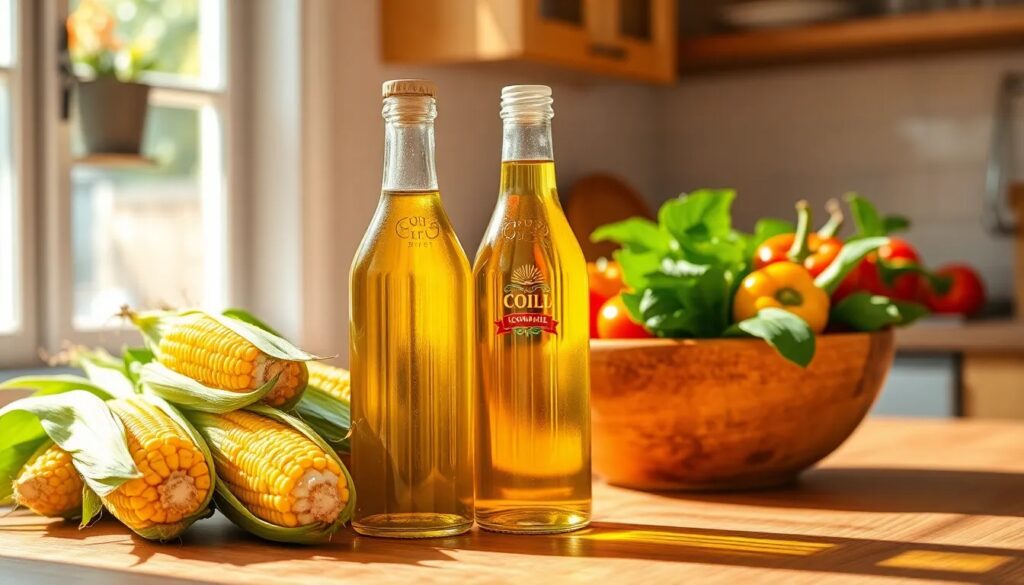
Corn oil, derived from the germ of corn, has gained popularity due to its versatile applications in Cooking and industry. From frying to cosmetics, its uses are vast, making it a staple in many households. In this guide, we will explore the numerous benefits and potential downsides of corn oils, as well as how to choose the best options available.
Index
- Is corn oil healthy? Nutrition, benefits, and downsides
- What are the best corn oils for cooking?
- What is a list of popular corn oils?
- How can I use corn oils in recipes?
- What are the key benefits of corn oil?
- Why is corn oil considered bad for you?
- How does corn oil compare to sunflower oil?
- What is the corn oil extraction process?
- Related questions about corn oil
Is corn oil healthy? Nutrition, benefits, and downsides
When considering the health aspects of corn oils, it's essential to look at its nutritional profile. Corn oil is primarily composed of fat, specifically polyunsaturated fats. It contains omega-6 fatty acids, which are crucial for health but should be balanced with omega-3 fatty acids found in other food sources.
While corn oil does provide certain health benefits, such as being rich in vitamin E and phytosterols, it also comes with potential downsides. High consumption of omega-6 fatty acids may contribute to inflammation in the body if not balanced with omega-3s. Moderation is key when incorporating corn oil into your diet.
In summary, corn oil can be a part of a healthy diet, especially when used sparingly and balanced with other oils that provide omega-3 fatty acids. However, it is crucial to be aware of its potential health risks and adjust intake accordingly.
 Good cooking oil options for healthy meals
What are the best corn oils for cooking?
When selecting the best corn oils for frying dishes, consider the following factors: smoke point, flavor, and quality. Here are some top choices:
- Refined corn oil: Known for its high smoke point, making it ideal for frying without burning.
- Non-GMO corn oil: Preferred by many health-conscious consumers for its purity and lack of genetically modified organisms.
- Organic corn oil: A great option for those seeking a more natural product.
- Cold-pressed corn oil: Retains more nutrients and flavor, perfect for salad dressings and dips.
Choosing the right corn oil depends on your cooking needs. For frying, refined corn oil is the best due to its high smoke point. If you are looking for raw applications, consider organic or cold-pressed options for their superior taste and health benefits.
What is a list of popular corn oils?
There are various brands and types of corn oils available on the market. Here’s a brief list of some popular options:
- Jedwards International Non-GMO Corn Oil
- Wesson Corn Oil
- Nature's Way Corn Oil
- Great Value Corn Oil
- Crisco Corn Oil
These brands offer a range of options from refined to non-GMO corn oils, catering to different consumer preferences. Quality matters, so always check the label for certifications and sourcing information.
Good cooking oil options for healthy meals Griddle recipes for delicious meals
How can I use corn oils in recipes?
Corn oil is not only versatile but also easy to incorporate into various recipes. Here are some practical ways to utilize it:
- Frying: Perfect for deep frying due to its high smoke point, making it suitable for chicken, potatoes, and more.
- Baking: Can be used as a substitute for butter or other oils in cake and muffin recipes.
- Salad dressings: Mix with vinegar and spices for a delicious homemade dressing.
- Marinades: Combine with herbs and spices for a flavorful marinade for meats and vegetables.
Using corn oil in cooking enhances flavors while providing health benefits. Its light flavor allows it to blend well in various dishes, making it a pantry staple.
What are the key benefits of corn oil?
Corn oil offers several health benefits that make it appealing for culinary and industrial uses. Some of these benefits include:
- Rich in vitamin E: Acts as a powerful antioxidant that helps protect the body from oxidative stress.
- Source of omega-6 fatty acids: Essential for maintaining cell structure and function.
- Phytosterols: May help lower cholesterol levels, supporting heart health.
- Versatile cooking oil: Suitable for various cooking methods, including frying, baking, and sautéing.
Incorporating corn oil into your diet can provide health advantages, especially when balanced with other healthy fats. Its versatility makes it a beneficial addition to many culinary practices.
Good cooking oil options for healthy mealsGriddle recipes for delicious meals How to clean a cast iron skillet that is rusty
Why is corn oil considered bad for you?
Despite its benefits, corn oil has faced criticism due to several factors. Here are some reasons why some experts advise caution:
- High omega-6 to omega-3 ratio: The typical diet is often disproportionately high in omega-6s, which can lead to inflammation.
- Processing concerns: The extraction and refining process can lead to nutrient loss and the presence of harmful residues.
- Potential health risks: Overconsumption may contribute to chronic diseases if not balanced with omega-3 rich foods.
While corn oil can be part of a balanced diet, it is essential to be aware of these potential downsides. Balance and moderation are crucial when using corn oil in your cooking.
How does corn oil compare to sunflower oil?
Both corn oil and sunflower oil are popular choices in cooking, but they differ in nutritional content and applications. Here’s a comparison:
Corn oil has a higher smoke point than sunflower oil, making it suitable for frying at higher temperatures. However, sunflower oil generally has a better balance of omega-6 to omega-3 fatty acids, making it a healthier option in terms of fat profile.
Good cooking oil options for healthy mealsGriddle recipes for delicious mealsHow to clean a cast iron skillet that is rusty Is canola oil the same as vegetable oil?
In terms of flavor, corn oil has a mild taste, while sunflower oil is slightly nuttier. Depending on your cooking needs, one may be more advantageous than the other. Ultimately, the choice should depend on personal preference and dietary requirements.
What is the corn oil extraction process?
The extraction process of corn oil involves several critical steps to ensure purity and quality. Here’s a simplified overview:
- Harvesting: Corn kernels are harvested and processed to separate the germ.
- Extraction: The oil is extracted from the germ using methods such as expeller-pressing or solvent extraction.
- Refining: The oil undergoes refining processes that include degumming, bleaching, and deodorization to remove impurities.
- Bottling: Finally, the refined oil is packaged for distribution.
This process is crucial for ensuring that corn oil is safe and suitable for consumption. However, it's essential to note that refining may lead to some nutrient loss, which is why choosing high-quality oils is important.
Why avoid corn oil?
While corn oil has its benefits, some might choose to avoid it due to its high omega-6 content, which can lead to inflammation when not balanced with omega-3 fatty acids. Additionally, the potential for chemical residues from the refining process raises concerns for some consumers.
Good cooking oil options for healthy mealsGriddle recipes for delicious mealsHow to clean a cast iron skillet that is rustyIs canola oil the same as vegetable oil? Is peanut oil a seed oil?
Is corn oil the same as canola oil?
No, corn oil and canola oil are different. Corn oil is derived from corn germ, while canola oil is extracted from rapeseeds. Canola oil typically has a better balance of omega-3 to omega-6 fatty acids, making it a healthier option for those monitoring their fat intake.
What is an example of corn oil?
An example of corn oil is Wesson Corn Oil, a widely available brand known for its high-quality, refined corn oil. This oil is often used for frying and baking due to its high smoke point and neutral flavor.
Which is healthier, olive or corn oil?
Olive oil is generally considered healthier than corn oil due to its higher levels of monounsaturated fats and antioxidants. It is also better balanced in terms of omega-6 to omega-3 fatty acids. However, both oils can be part of a balanced diet when used appropriately.
Good cooking oil options for healthy mealsGriddle recipes for delicious mealsHow to clean a cast iron skillet that is rustyIs canola oil the same as vegetable oil?Is peanut oil a seed oil? Meaning of scrub
If you want to know other articles similar to Corn oils you can visit the category Healthy Recipes.
Ghee substitute options for cooking and baking

Smoking point of ghee explained

Smoothie recipe for a healthy lifestyle
Deja una respuesta

Gestionar consentimiento
Funcional Siempre activo
El almacenamiento o acceso técnico es estrictamente necesario para el propósito legítimo de permitir el uso de un servicio específico explícitamente solicitado por el abonado o usuario, o con el único propósito de llevar a cabo la transmisión de una comunicación a través de una red de comunicaciones electrónicas.
Preferencias
El almacenamiento o acceso técnico es necesario para la finalidad legítima de almacenar preferencias no solicitadas por el abonado o usuario.
Estadísticas
El almacenamiento o acceso técnico que es utilizado exclusivamente con fines estadísticos. El almacenamiento o acceso técnico que se utiliza exclusivamente con fines estadísticos anónimos. Sin un requerimiento, el cumplimiento voluntario por parte de tu proveedor de servicios de Internet, o los registros adicionales de un tercero, la información almacenada o recuperada sólo para este propósito no se puede utilizar para identificarte.
Marketing
El almacenamiento o acceso técnico es necesario para crear perfiles de usuario para enviar publicidad, o para rastrear al usuario en una web o en varias web con fines de marketing similares.
More embers