

Scrubland meaning
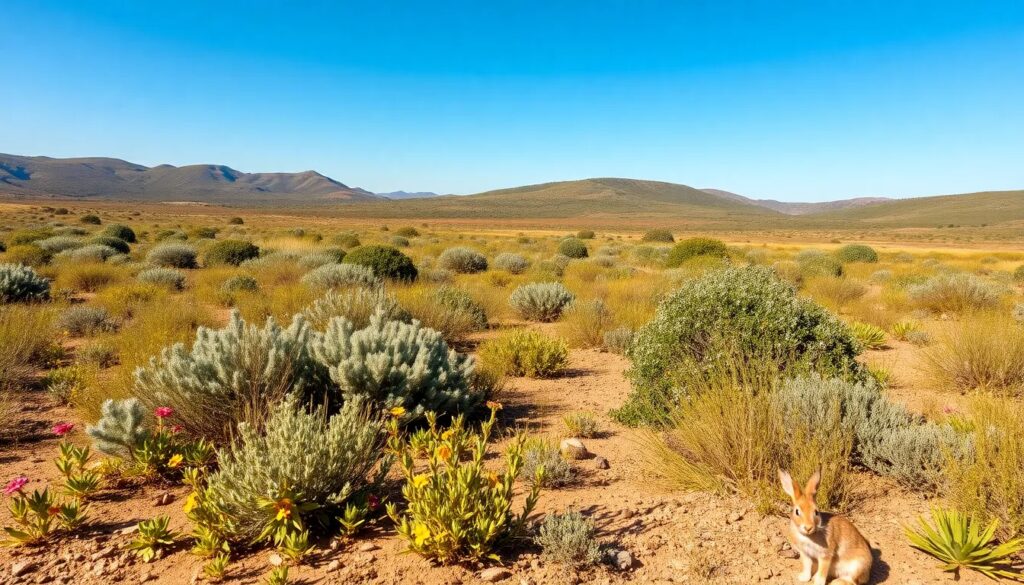
Scrubland refers to extensive areas covered with dense shrubs, which are often found in a variety of climates, including semi-arid and Mediterranean regions. These landscapes play a vital role in ecological balance and land management.
The scrubland meaning encompasses not just the physical characteristics of these ecosystems, but also their ecological significance, including biodiversity and habitat conservation.
Table of Contents
- Definition of scrubland
- What is scrubland meaning?
- What are the characteristics of scrubland?
- What are common scrubland plants?
- What animals live in scrubland?
- What is the difference between scrubland and shrubland?
- How does fire affect scrubland ecosystems?
- What are the uses of scrubland in land management?
- Related questions about the meaning of scrubland
Definition of scrubland
Scrubland is defined as land primarily characterized by a dense growth of shrubs, often including various grasses and herbs. This ecosystem can be found in areas with dry or semi-arid climates, and it's crucial for understanding ecological dynamics.
It is frequently shaped by environmental factors such as fire or human activity, which helps maintain its unique vegetation structure. Due to its rugged appearance and density, scrublands often serve as important habitats for a range of species.
What is scrubland meaning?
The scrubland meaning in ecology refers to regions dominated by shrubs that can adapt to harsh conditions, such as drought and fire. These areas often serve as critical habitats, supporting a diverse array of wildlife and plant species.
In many cases, scrublands are essential for land management practices, offering various benefits including soil stabilization and erosion control. Understanding the scrubland meaning is vital for conservation efforts aimed at preserving these unique ecosystems.
What are the characteristics of scrubland?
Scrublands exhibit several defining characteristics, which include:
- Diverse plant life: These areas are typically home to a variety of shrubs, grasses, and sometimes trees, making them rich in biodiversity.
- Adaptability: The vegetation in scrublands is adapted to survive in conditions with limited water availability.
- Fire resilience: Many scrubland plants have evolved to withstand fires, which can actually help regenerate the ecosystem.
- Soil composition: The soil in scrublands is often sandy or rocky, which influences the types of vegetation that can thrive.
These characteristics make scrublands unique in comparison to other biomes, highlighting their importance in ecological studies.
What are common scrubland plants?
Common plants found in scrublands include a variety of shrubs and grasses that have adapted to the local climate. Some notable examples are:
- Gorse: A hardy shrub that thrives in poor soils.
- Lavender: Known for its aromatic properties and resilience.
- Mediterranean heaths: These plants are well-suited for areas with hot, dry summers.
- Various grasses: These often coexist with shrubs and contribute to the overall biodiversity.
These plants not only provide food and shelter for various animals but also play a crucial role in preventing soil erosion and maintaining the ecosystem's health.
What animals live in scrubland?
Scrublands are home to a diverse range of wildlife that has adapted to the specific conditions of these environments. Common animals include:
- Birds: Many bird species are attracted to scrublands for nesting and foraging.
- Mammals: Species such as rabbits, foxes, and deer often inhabit these areas.
- Reptiles: Lizards and snakes are common, taking advantage of the cover provided by shrubs.
These animal populations are integral to the health of scrubland ecosystems, contributing to pollination and seed dispersal. Their interactions with the vegetation help maintain the balance within the habitat.
What is the difference between scrubland and shrubland?
While the terms scrubland and shrubland are often used interchangeably, there are subtle differences between them. Scrubland typically refers to lower-growing vegetation that is adapted to withstand harsher climatic conditions, while shrubland may include taller shrubs and a wider variety of flora.
Additionally, shrublands can be more densely populated with trees, whereas scrublands focus primarily on shrubs. Understanding these distinctions can aid in proper land management and conservation efforts.
How does fire affect scrubland ecosystems?
Fire plays a significant role in the health and dynamics of scrubland ecosystems. Fires can serve several purposes:
- Regeneration: Many scrubland plants are adapted to recover quickly after fire events, promoting new growth.
- Species distribution: Fires can alter the composition of species within the area, allowing for new plants to take root.
- Habitat maintenance: Regular fires can help maintain the ecological balance by preventing the encroachment of larger trees.
However, the increasing frequency of fires due to climate change presents significant challenges for scrubland ecosystems. Effective management strategies must consider the role of fire in maintaining these unique habitats.
What are the uses of scrubland in land management?
Scrublands have several important uses in terms of land management, including:
- Grazing: These areas are often utilized for livestock grazing, providing essential forage.
- Conservation: Scrublands play a crucial role in conserving biodiversity by serving as habitats for various species.
- Erosion control: The dense vegetation helps stabilize soils and prevent erosion.
Effective land management practices that incorporate scrubland can lead to healthier ecosystems and better resource utilization.
What is the meaning of scrub land?
The term scrub land generally refers to areas covered primarily by shrubs and some grasses. This type of landscape plays a pivotal role in ecological balance and serves as a habitat for numerous species, highlighting its importance in environmental studies.
What is an example of a scrubland?
An example of a scrubland is found in the Mediterranean region, characterized by its hot, dry summers and mild, wet winters. This type of scrubland is rich in biodiversity and includes various shrubs and small trees adapted to the local climate.
What is the meaning of scrubland?
Scrubland refers to areas predominantly covered with shrubs, often exhibiting low-growing vegetation that can thrive in challenging environmental conditions. These ecosystems are vital for maintaining ecological balance and supporting various wildlife species.
What is the meaning of shrubland?
Shrubland is a term used to describe areas where shrubs are the dominant form of vegetation. While similar to scrubland, shrubland may include taller shrubs and a more diverse range of flora, making it a critical aspect of ecosystem diversity.
If you want to know other articles similar to Scrubland meaning you can visit the category Cooking and recipes for every home cook.


More embers